

During his report at the October board meeting of the Upper Arkansas Water Conservancy District, Richard Brown provided an update on the status of a key water right on the Colorado River.
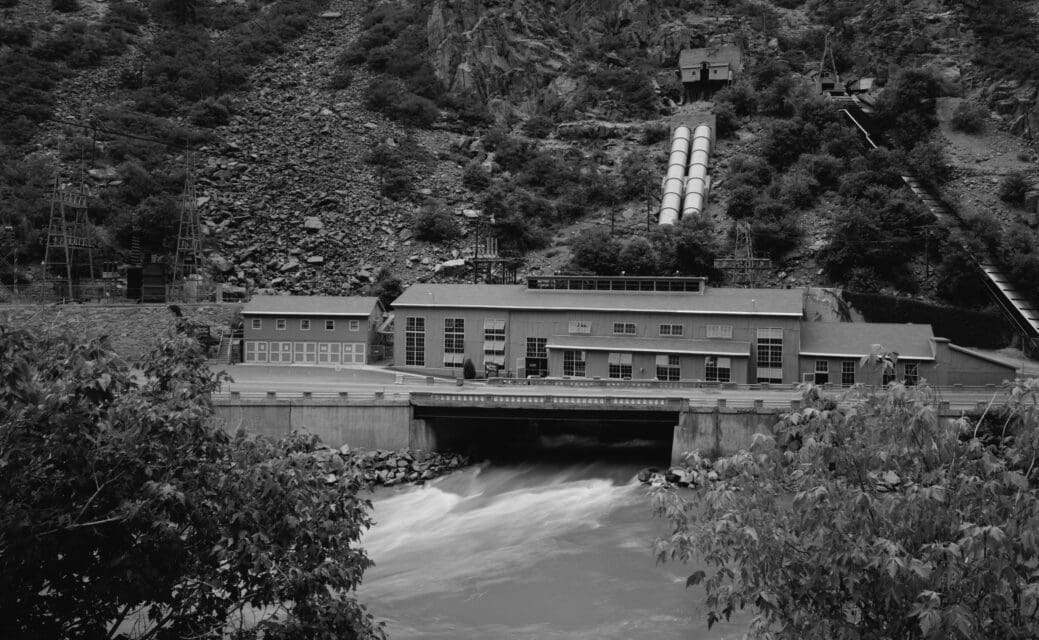
The 1906 water right, quite senior for the West Slope, is tied to the Shoshone Power Plant on the Colorado River near Glenwood Springs and is owned by a subsidiary of Xcel Energy.
The Shoshone Power Plant has used its water right to generate electricity, which is a “nonconsumptive” use of the water – i.e., the force of the flowing water turns a turbine attached to a generator that produces electricity without depleting any of the water used.
Since this water right is nonconsumptive, the owner can’t consume the water by using it for things like drinking water and irrigation. As Brown reported, the Colorado River Water Conservation District is attempting to acquire that water right.
The Colorado River District previously entered into a $99 million agreement to buy the Shoshone water right.*
Brown reported that the District has proposed leasing the water back to Xcel for as long as the power company can use it, then converting it to an in-stream flow right – i.e., keeping the water in the Colorado River channel to support river ecology and rural communities.
A recent District press release states, “Permanent protection of these senior water rights will protect drinking water for small communities and irrigation water essential for the production of food and fiber.”
According to the Shoshone Water Right Preservation Coalition, West Slope acquisition of the water right will:
- Benefit agriculture.
- Improve water quality.
- Benefit ecosystems.
- Strengthen the outdoor recreation economy.
- Support key Wild and Scenic sections of the Upper Colorado River.
Brown highlighted two issues with the Colorado River District plan:
- The Shoshone water right is senior to all transmountain diversions and could, therefore, affect water-rights owners’ ability to export West Slope water to the Front Range.
- The Colorado Water Conservation Board is the only entity that can legally hold an in-stream flow right.
Any change in the use of a water right must be approved by Water Court, and since the Colorado River District cannot normally hold an in-stream flow right, the CWCB must weigh in.
Given the seniority of the Shoshone water right, this change of water use could affect more than 10,000 upstream rights, including the water rights of Front Range utilities responsible for providing water for millions of people – Denver Water, Aurora Water, Northern Water, Colorado Springs Utilities, etc.
Several transmountain diversions bring water from the Colorado River headwaters into the Arkansas River Basin and could potentially be affected by a change in the legal uses of the Shoshone right.
Given the Shoshone water right’s potential influence over water exports to the Front Range, its fate precipitated a 14-hour hearing in September at the Colorado Water Conservation Board meeting in Durango.
Officials weighed competing interests from both sides of the Continental Divide and were set to make a final decision on the proposal, but the deadline was extended into November.
Since the Colorado River District is purchasing the Shoshone right, District officials want some authority in deciding how the in-stream right is administered.
Politically powerful Front Range interests insist the State – i.e., the CWCB – should have total control.
Photo: The Shoshone Power Plant on the Colorado River near Glenwood Springs prior to construction of Interstate 70.
*$40 million of federal funding from the Inflation Reduction Act was allocated toward the purchase of the Shoshone water right, but the Trump Administration has so far refused to release the money.